Archives
- 2026-07
- 2026-06
- 2026-05
- 2026-04
- 2026-03
- 2026-02
- 2026-01
- 2025-12
- 2025-11
- 2025-10
- 2025-03
- 2025-02
- 2025-01
- 2024-12
- 2024-11
- 2024-10
- 2024-09
- 2024-08
- 2024-07
- 2024-06
- 2024-05
- 2024-04
- 2024-03
- 2024-02
- 2024-01
- 2023-12
- 2023-11
- 2023-10
- 2023-09
- 2023-08
- 2023-07
- 2023-06
- 2023-05
- 2023-04
- 2023-03
- 2023-02
- 2023-01
- 2022-12
- 2022-11
- 2022-10
- 2022-09
- 2022-08
- 2022-07
- 2022-06
- 2022-05
- 2022-04
- 2022-03
- 2022-02
- 2022-01
- 2021-12
- 2021-11
- 2021-10
- 2021-09
- 2021-08
- 2021-07
- 2021-06
- 2021-05
- 2021-04
- 2021-03
- 2021-02
- 2021-01
- 2020-12
- 2020-11
- 2020-10
- 2020-09
- 2020-08
- 2020-07
- 2020-06
- 2020-05
- 2020-04
- 2020-03
- 2020-02
- 2020-01
- 2019-12
- 2019-11
- 2019-10
- 2019-09
- 2019-08
- 2019-07
- 2019-06
- 2019-05
- 2019-04
- 2018-07
-
Being a rare renal tumor its
2021-02-08
Being a rare renal tumor, its description as primary renal tumor has been confined to the documentation of anecdotal case reports in the past [4], [9], [10], [11]. However, recent years have seen an increased interest in defining ES/PNET of kidney as a distinct entity, with the study undertaken by t
-
Among RAS mutant tumors analyzed we found
2021-02-08
Among RAS mutant tumors analyzed, we found that the efficacy of either the SHP2 inhibitor SHP099, or combined MEK and SHP2 inhibition was best in those expressing RAS mutations at G12 (Figure 7B). Recent studies revealed that cellular RAS(G12C) activity depends on RTK-mediated nucleotide exchange, a
-
Exposure to ultraviolet radiation with sunlight is generally
2021-02-08
Exposure to ultraviolet radiation with sunlight is generally accepted as the major cause of basal-cell carcinoma (Gallagher et al., 1995). The risk of this disease is significantly increased by age. Skin cancers are the most common tumours of the head and neck region and their prevalence shows progr
-
Oxysterols modulate the immune responses and
2021-02-08
Oxysterols modulate the immune responses and as such could be effectors of the tumor environment: 25-OHC impairs IgA production in B-lymphocytes [26] and induces the secretion of the proinflammatory and angiogenic cytokine IL-8 [27], [28]. Of note, oxysterols (in particular 7α,25-OHC) are potent che
-
br Acknowledgements The authors are supported by National In
2021-02-08
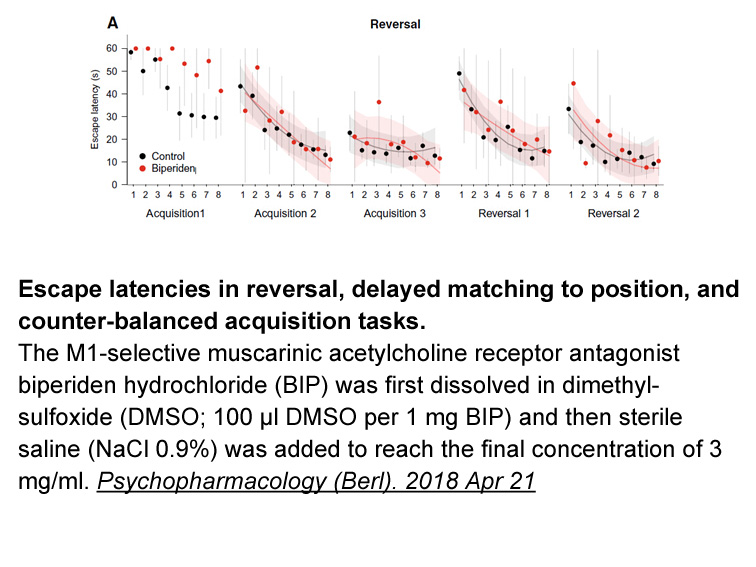
Acknowledgements The authors are supported by National Institutes of Health grants (CA162804, CA92584, and CA13499 to DJC and CA166677 to BPPC) and Cancer Prevention and Research Institute of Texas (RP110465 to DJC). The cellular response to DNA double-strand break (DSB) formation is an essent
-
Previous in vitro studies have demonstrated that DNA PK
2021-02-08
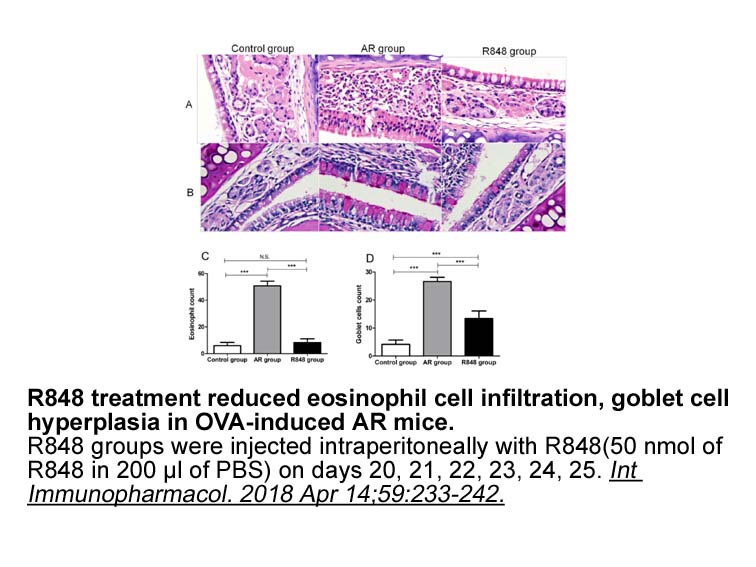
Previous in vitro studies have demonstrated that DNA-PK-deficient cell line (MO59J) is approximately 30-fold more sensitive to radiation than DNA-PK-proficient cell line (MO59K) [31]. Moreover, specific DNA-PK inhibitors SU11752 and wortmannin have been shown to sensitize GBM Fmoc-Ala-OH sale (MO59
-
The occurrence of three Ag NORs
2021-02-08
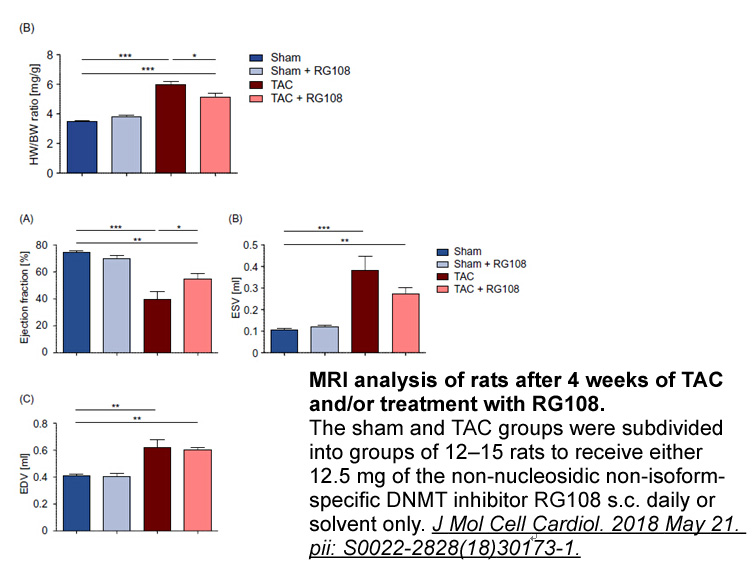
The occurrence of three Ag-NORs per metaphase and/or a maximum of three nucleoli per nucleus in most of the varieties may be explained by chromosomal rearrangements or unequal crossing-over events that induce the deletion of the fourth active rDNA loci. Also, the chromosome pair that showed less int
-
br Introduction Analyses of genomic alterations
2021-02-07

Introduction Analyses of genomic alterations in cancer have identified epidermal growth factor receptor (EGFR) as one of the most potent “oncogenic driver” kinases that is present in many epithelial tumors including endometrial, breast, prostate, skin, esophagus, lung, stomach, colorectal, and re
-
CRF binds to CRF and CRF
2021-02-07
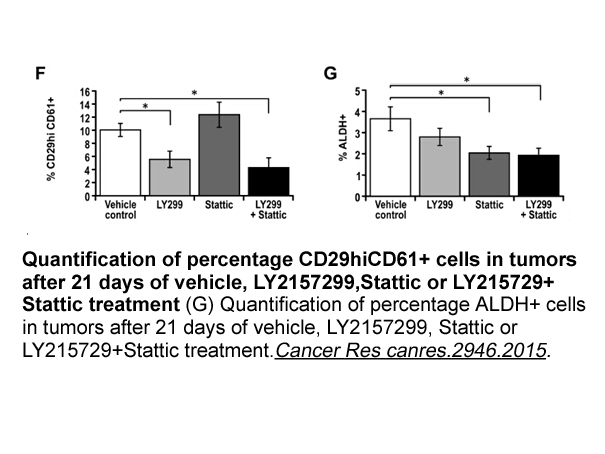
CRF binds to CRF1 and CRF2 receptor subtypes, triggering downstream cascades and leading to stimulatory G protein (GsP) activation. Once activated, GsP undergoes a structural change provoking the separation of the subunits Gα and Gβγ. The Gα subunit induces the production of the second messenger cAM
-
Finally the effect of the
2021-02-07
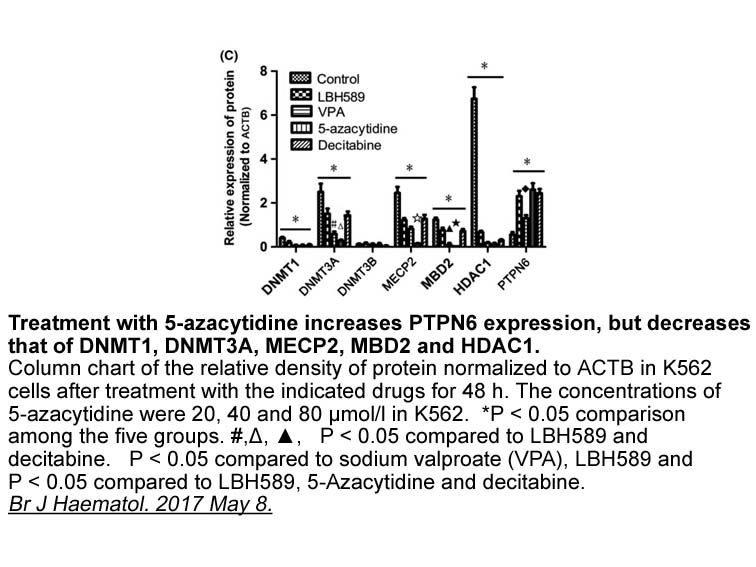
Finally, the effect of the [BMIM][BF4] concentration change on the P-T diagram of methane hydrate was predicted using the proposed model. Three various concentrations (including 10%, 15% and 20%) were considered for calculations. The experimental data [49] and modeling results are demonstrated and c
-
The four other mutations S T V I
2021-02-07
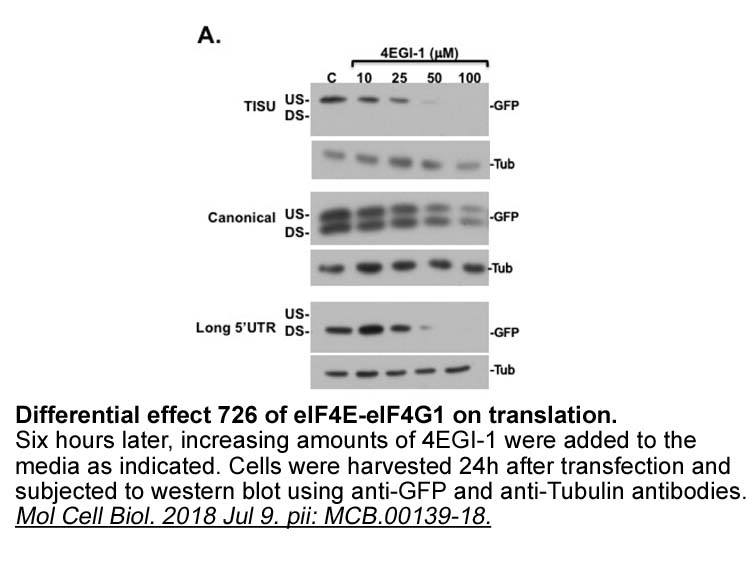
The four other mutations (S281T, V317I, T328A and A329S) were not detected in the absence of the A286S. This could suggest that when all of them are present, there would be a tri-dimensional structural modification that would interfere with the binding of the insecticide and produce different levels
-
The ESC update emphasizes the need for implementing strategi
2021-02-07
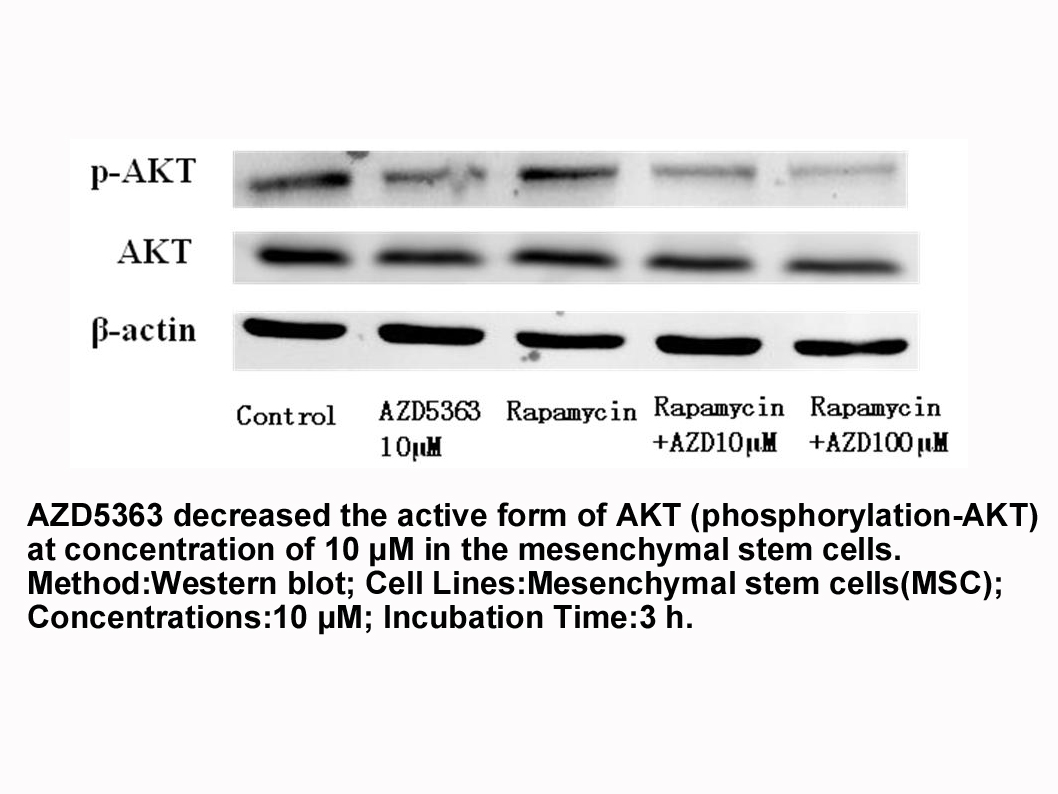
The 2017 ESC update emphasizes the need for implementing strategies to minimize PCI-related complications, including risk stratification for ischemia and bleeding, keeping triple antithrombotic therapy to the shortest possible duration with dual antithrombotic therapy as an alternative, using non–vi
-
From a mechanistic standpoint the BCL RD domain represses
2021-02-07
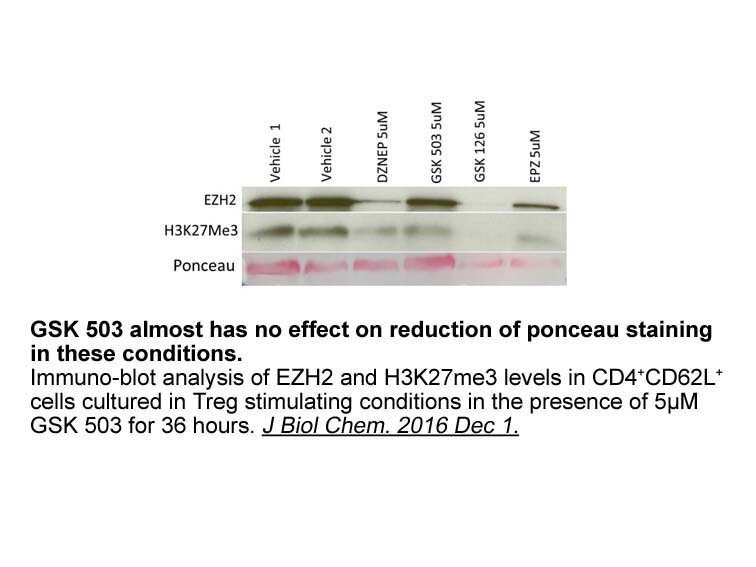
From a mechanistic standpoint, the BCL6 RD2 domain represses the GPR183 and S1PR1 loci by recruiting HDAC2, but not MTA3-NuRD, to suppress the enhancer activation mark H3K27ac at their distal regulatory elements. However, these data do not exclude the possibility that other as yet unknown corepresso
-
The Nile tilapia Oreochromis niloticus is
2021-02-07
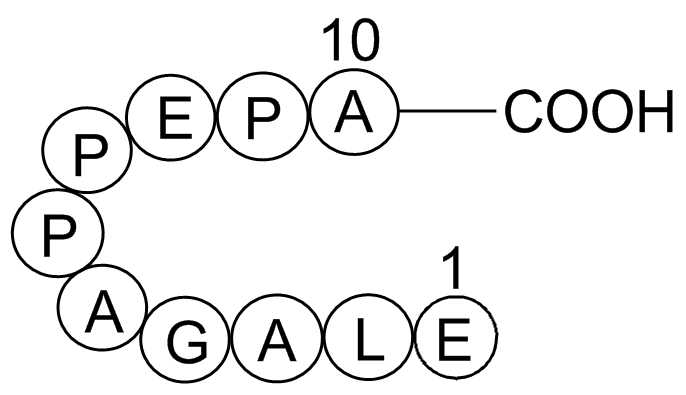
The Nile tilapia (Oreochromis niloticus) is an important farmed fish with an XX/XY sex-determining system. The availability of the whole genome sequence of tilapia and tissue transcriptomes (Brawand et al., 2014), together with its gonadal transcriptomes at different developmental stages (Tao et al.
-
We demonstrated that cells expressing less DHODH were
2021-02-07
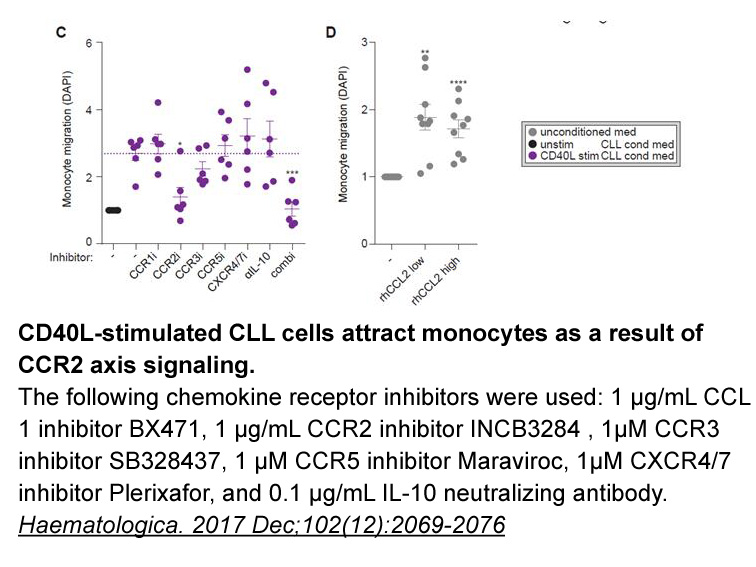
We demonstrated that dabigatran etexilate expressing less DHODH were less sensitive to DHODH inhibitors regardless of their oncogenic status. Based on the proliferation speed of cells, Kant et al. (1989), showed that slow-growing squamous cell carcinoma was more sensitive to BQR than fast-growing m
15936 records 719/1063 page Previous Next First page 上5页 716717718719720 下5页 Last page